Made In Great Britain

Direct from our factory

Free Next Day Delivery

On orders over £750

Product Test Results

All test results published

Expert Technical Advice

Call or chat with our team

5.0
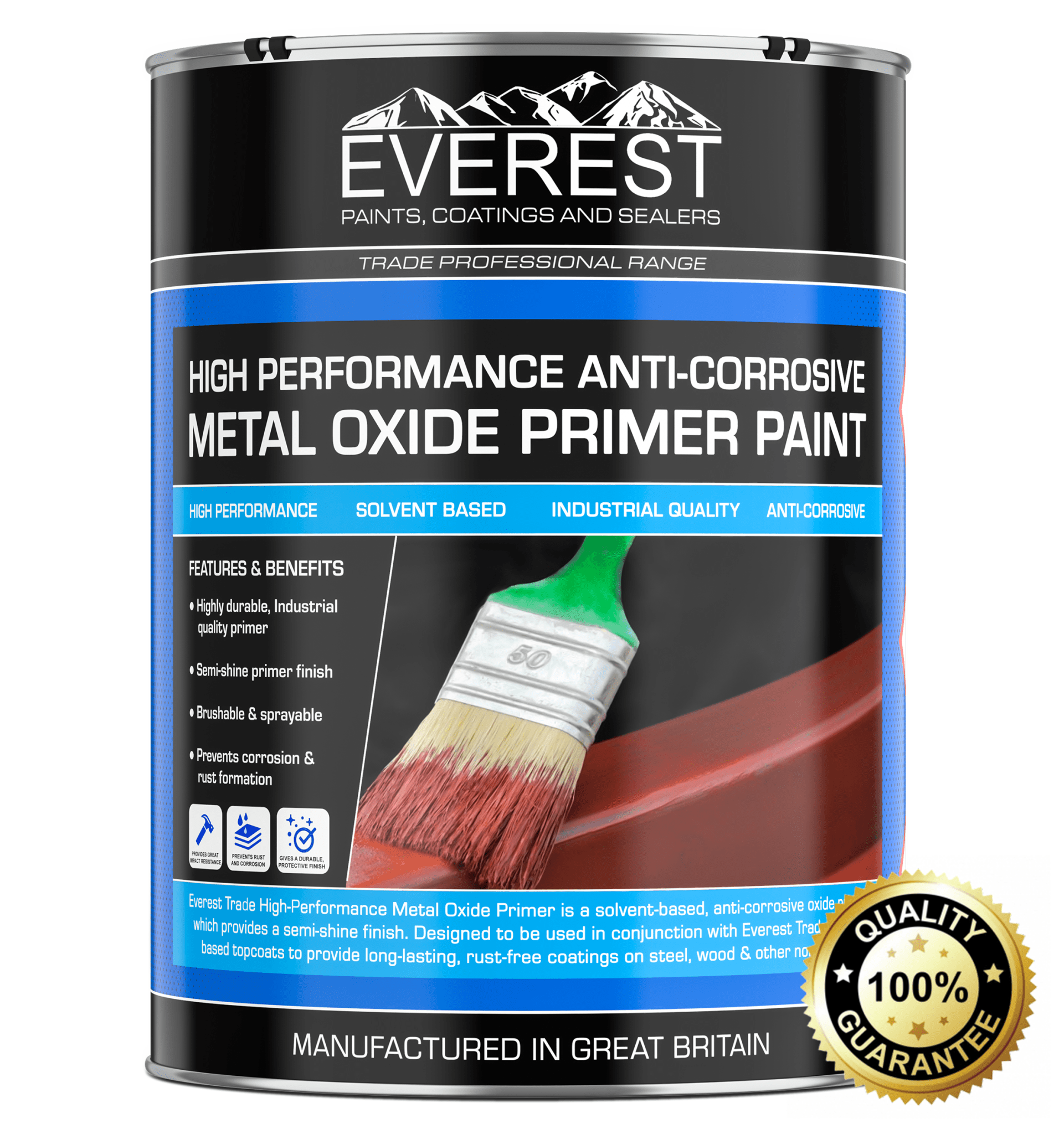
Everest - Anti - Corrosive Oxide Primer - Everest Paints
  • Mid Grey (RAL 7042)
  • Red Oxide (RAL 3009)
Featured
Everest - Oil Based Gloss Paint - Everest Paints
  • Light Grey (RAL 7035)
  • Mid Grey (RAL 7004)
  • Anthracite Grey (RAL 7016)
  • Black (RAL 9005)
  • Juniper Green (BS 12 B 29)
Featured
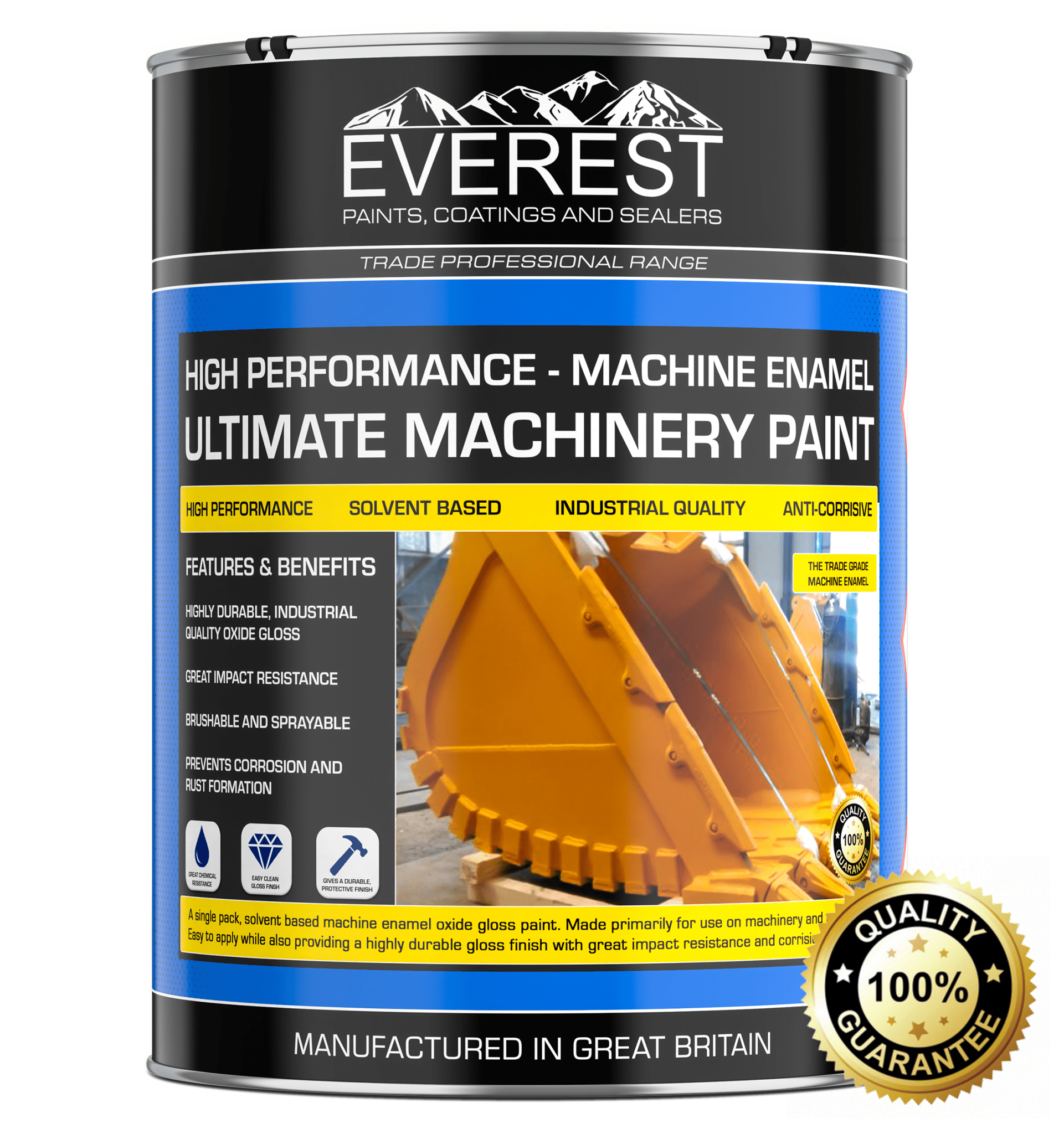
Everest - Machinery Enamel - Gloss - Everest Paints
  • Light Grey (RAL 7035)
  • Mid Grey (RAL 7004)
  • Anthracite Grey (RAL 7016)
  • Black (RAL 9005)
  • Juniper Green (BS 12 B 29)
Featured
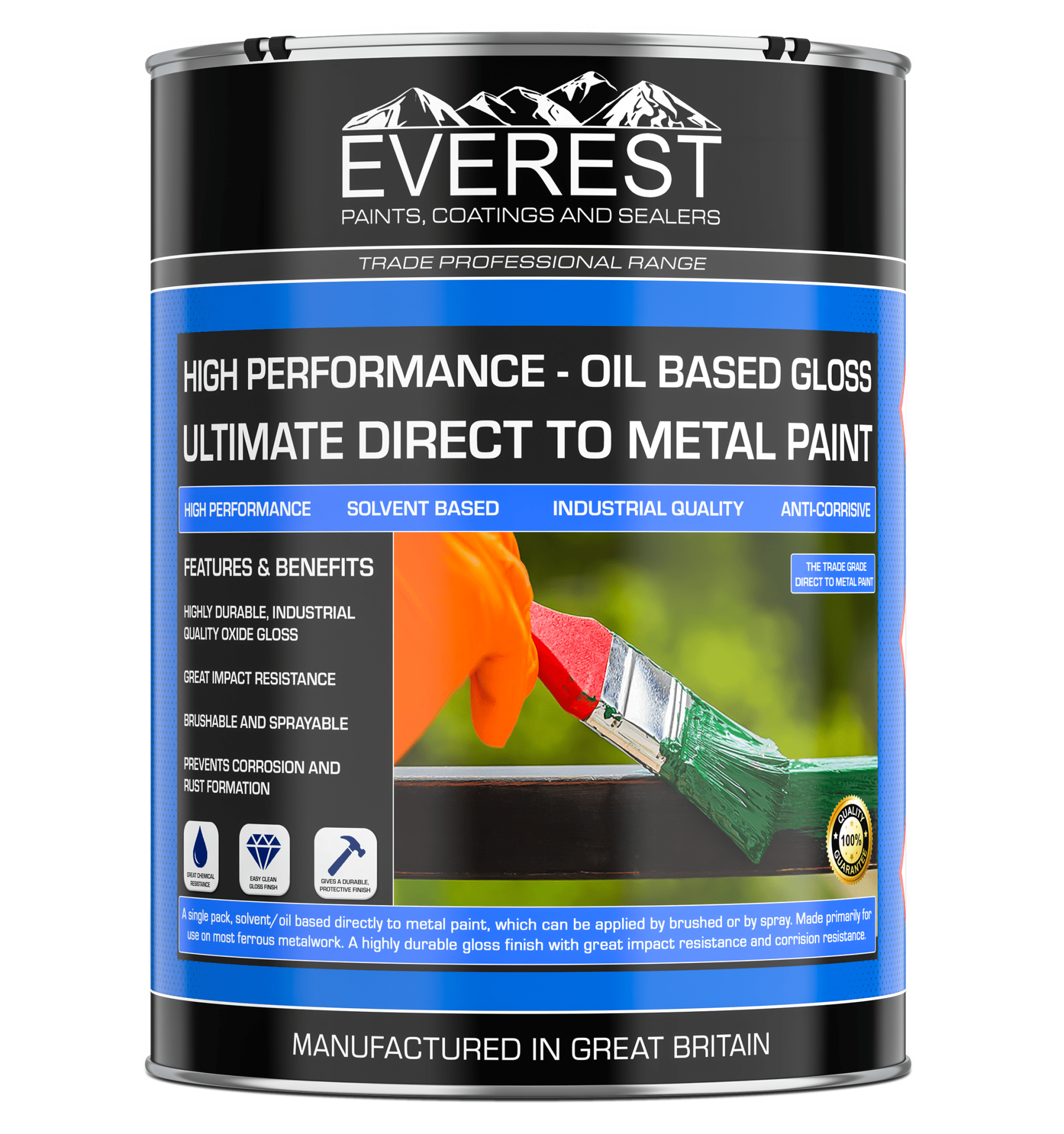
Everest - Direct to Metal Paint - Oil Based Gloss - Everest Paints
  • Light Grey (RAL 7035)
  • Mid Grey (RAL 7004)
  • Anthracite Grey (RAL 7016)
  • Black (RAL 9005)
  • Juniper Green (BS 12 B 29)
Close-up of metal structural beams with bolts against a blue sky.

Exposed Steel or Coastal Conditions?

Specify a Higher Build Anti-Corrosion System

Standard agricultural coatings rely on correct preparation and sound existing substrates. For exposed cladding or corrosion-prone steel, specify anti-corrosive oxide gloss with a dedicated anti-corrosion primer to increase film build and substrate protection.

View Anti-Corrosion Systems
5.0
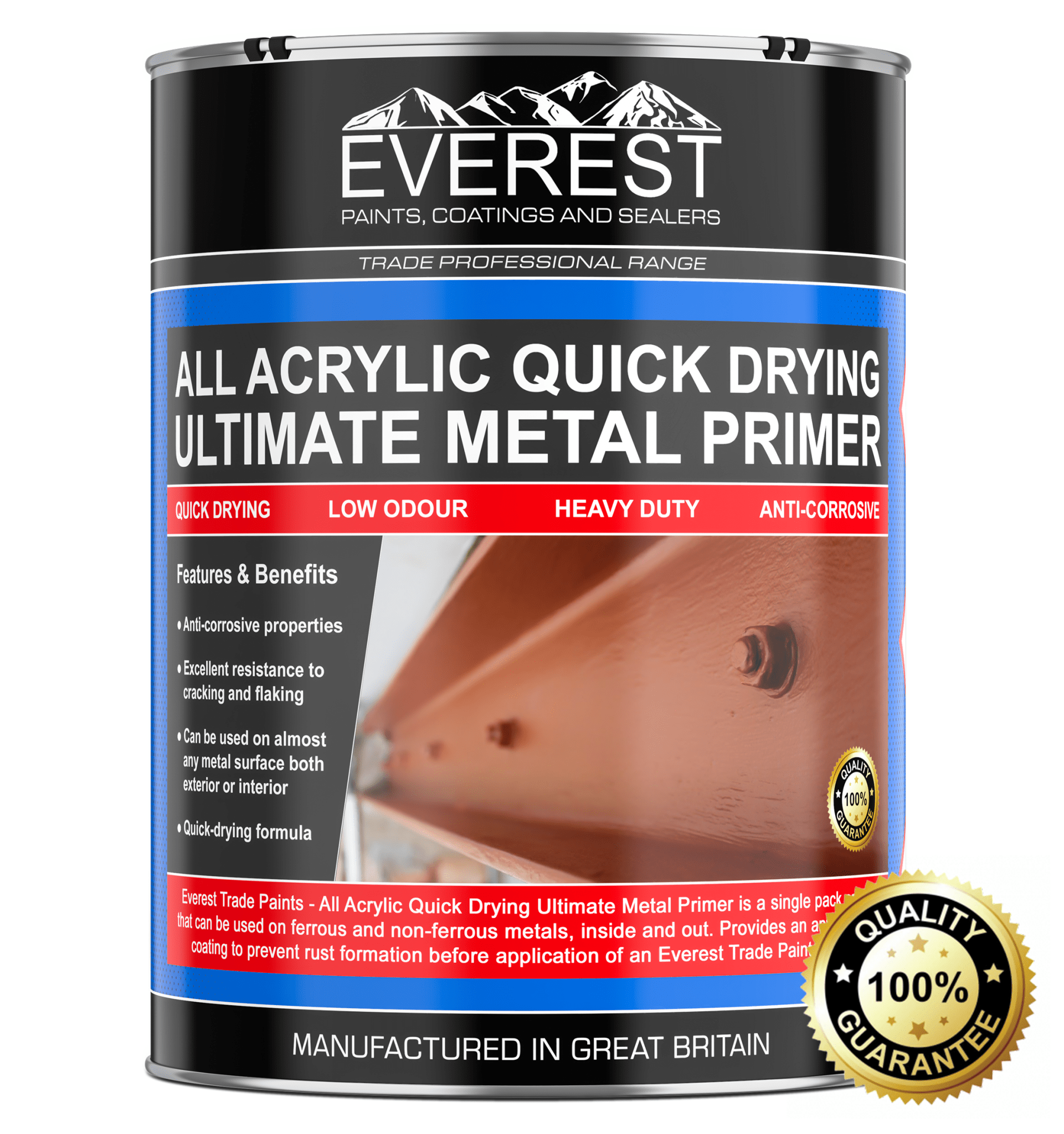
Everest - Advanced Acrylic Metal Primer - Everest Paints
  • Mid Grey (RAL 7042)
  • Red Oxide (RAL 3009)
New
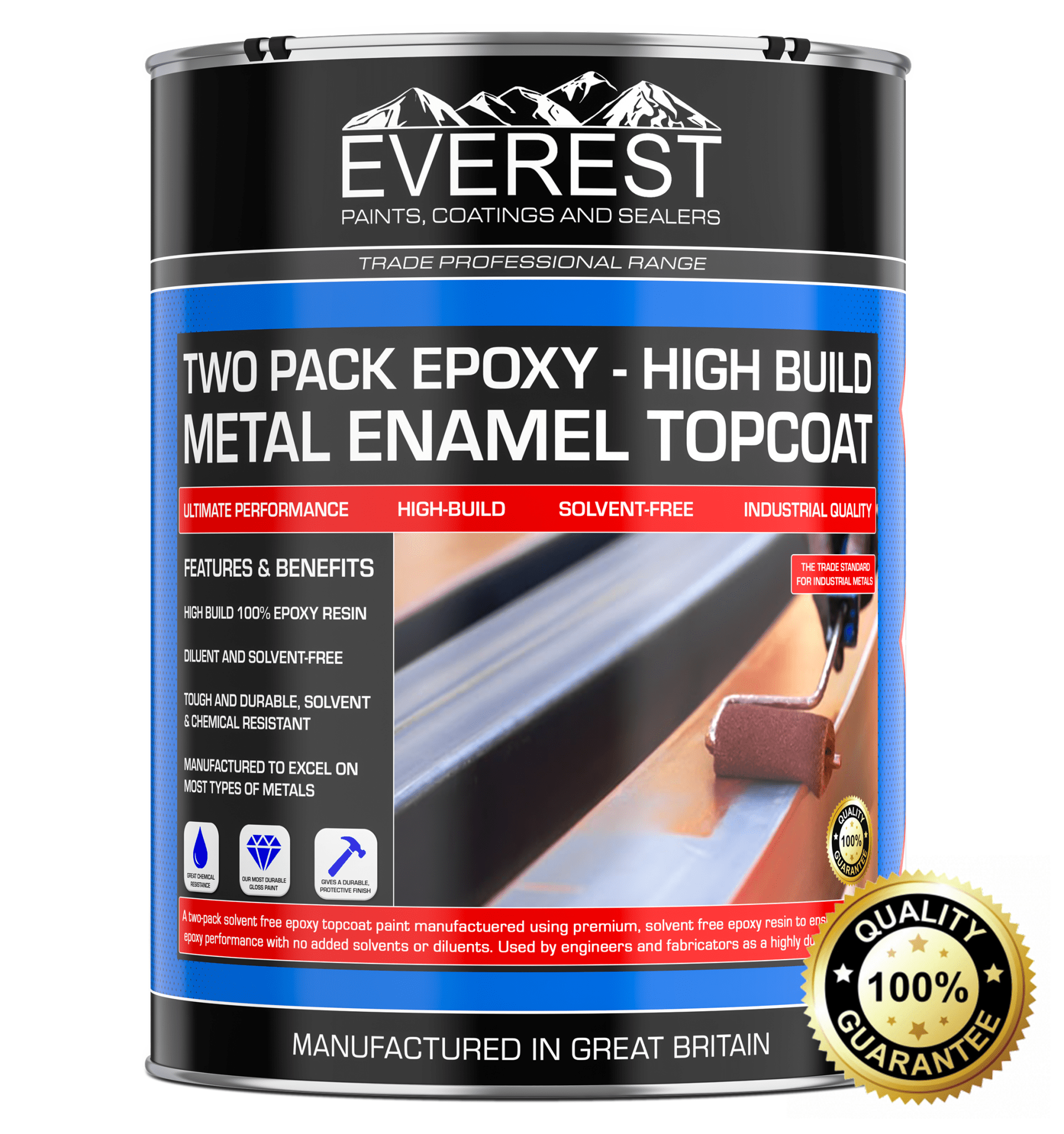
Everest - HB Epoxy Metal Topcoat - Solvent - Free Epoxy - Everest Paints
  • Jet Black (RAL 9005)
  • Anthracite Grey (RAL 7016)
  • Silver Grey (RAL 7001)
  • Light Grey (RAL 7035)
  • Signal White (RAL 9003)

Paint Systems for Galvanised Steel Cladding and Fixtures

Duty classification:
Light to Medium Duty
Suitable substrates:
Galvanised steel

System Overview

For galvanised steel surfaces, coating systems must address the unique characteristics of zinc-coated substrates. Galvanised steel presents a smooth, chemically active surface that can resist conventional paints unless appropriate preparation and compatible coatings are used.

Paint systems designed for galvanised steel provide adhesion to the zinc surface while delivering a protective and decorative finish suitable for internal or external environments. These coatings are commonly used across agricultural structures, metal cladding, industrial fixtures, and galvanised steel components where corrosion protection and weather resistance are required.

EVEREST coatings formulated for galvanised steel typically use acrylic or oil-based technologies to achieve adhesion to non-ferrous metal surfaces while providing a practical maintenance coating for light to medium duty environments. These systems are frequently used in refurbishment situations where galvanised steel has weathered or where additional colour and protection are required over previously untreated metal.

Correct preparation and primer compatibility remain critical, particularly when coating newly galvanised substrates.

Suitable Substrates & Surface Preparation

Galvanised steel consists of a zinc coating applied to steel to provide sacrificial corrosion protection. While the zinc layer offers inherent resistance to rust, it can also create adhesion challenges for standard coatings.

Surface preparation depends on whether the galvanised steel is newly installed or has been naturally weathered. New galvanised surfaces may contain passivation treatments or residual oils from the galvanising process. These must be removed prior to painting to ensure reliable adhesion.

Cleaning typically involves degreasing followed by light abrasion or suitable surface conditioning methods to create a key for the coating system. Mechanical abrasion, non-metallic scouring pads, or specialist surface cleaners may be used depending on the substrate condition.

Weathered galvanised steel generally provides a more receptive surface because the zinc coating has developed a slightly oxidised profile. Even so, contaminants such as atmospheric deposits, grease, and dirt should be removed before applying any coating.

Where galvanised surfaces are heavily contaminated or subject to corrosion staining, the use of a compatible metal primer may be required prior to applying the finishing coat.

Performance Characteristics & Limitations

Paint systems for galvanised steel provide decorative finishing combined with moderate corrosion protection. When properly applied to prepared substrates, these coatings can extend the service life of galvanised fixtures and improve their appearance.

Acrylic coatings offer flexibility, UV stability, and relatively straightforward application for both interior and exterior surfaces. They are often used where colour stability and weather resistance are important, particularly on cladding and exposed structural components.

Oil-based coatings can provide improved flow and film formation on metal surfaces, offering additional barrier protection in sheltered environments or where slower curing systems are acceptable.

Despite these benefits, coatings applied to galvanised steel in this category are generally suited to light to medium duty service environments. They are not designed for aggressive industrial atmospheres, marine exposure, or environments involving chemical attack.

Adhesion performance is highly dependent on correct surface preparation. Coating failures on galvanised steel most commonly occur where new zinc surfaces were not properly cleaned or conditioned prior to application.

Internal vs External Considerations

Galvanised steel coatings may be used in both internal and external environments, but environmental exposure plays a significant role in coating selection and durability.

Internal applications such as ducts, service frames, agricultural buildings, and utility structures typically experience lower levels of UV exposure and environmental moisture. In these situations, coatings primarily provide decorative finishing and basic corrosion protection.

External galvanised steel surfaces such as cladding panels, gates, railings, and exposed fixtures require coatings with suitable weather resistance. UV exposure, temperature changes, and rainfall can gradually degrade coatings that are not formulated for outdoor use.

Acrylic-based coatings are often preferred for external galvanised steel because of their colour stability and resistance to weathering. Oil-based systems may be more suitable in sheltered or internal environments where environmental exposure is limited.

Where structures are exposed to prolonged weathering or industrial atmospheres, higher durability protective metal coating systems may be required.

Selection Guidance & When to Specify Alternatives

Coatings for galvanised steel are typically specified where decorative finishing and moderate corrosion protection are required on zinc-coated metal surfaces. Common use cases include agricultural buildings, industrial units, metal cladding systems, gates, railings, and general galvanised fixtures.

These systems are particularly suitable for refurbishment work where aged galvanised steel requires visual improvement or additional protective coating.

However, when galvanised structures are located in harsher service environments, alternative protective coating systems should be considered. Areas subject to severe weather exposure, industrial pollutants, or mechanical abrasion may require specialist anti-corrosion primers and higher durability topcoats.

In such situations, multi-layer metal coating systems incorporating dedicated primers and more robust finishing coats can provide longer-term protection.

Careful assessment of the galvanised substrate condition, expected exposure environment, and desired service life will help determine whether a standard galvanised steel coating system is appropriate or whether a more advanced protective coating specification should be selected.
Explore Metal Primers and Undercoats

Galvanised Steel FAQs

View All FAQ's

Technical Guidance & Application Advice

Painting galvanised steel requires careful preparation to ensure reliable adhesion to the zinc surface. New galvanising can present passivation layers and surface treatments that inhibit coating bond, so appropriate cleaning and surface conditioning are important. Acrylic and oil-based metal coatings can provide decorative protection in light to medium duty environments when applied to properly prepared substrates and within suitable environmental conditions.

Why is surface preparation important before applying paint to galvanised steel?

Galvanised steel surfaces are coated with zinc, which often includes passivation treatments or oils applied during the galvanising process. These surface contaminants can significantly reduce coating adhesion if not removed. Prior to painting, the surface should be thoroughly cleaned using a suitable degreaser or detergent solution, followed by rinsing and drying. Light abrasion or mechanical keying may also be beneficial, particularly on smooth or newly galvanised surfaces. Correct preparation ensures the coating can properly bond to the substrate and reduces the risk of premature coating failure.

Can newly galvanised steel be painted immediately?

New galvanised steel is often difficult to coat immediately due to the presence of surface passivation layers designed to protect the zinc during storage and transport. These treatments can prevent proper paint adhesion. In some cases, allowing the galvanised surface to weather naturally before coating can improve adhesion. Alternatively, thorough cleaning and the use of an appropriate metal primer designed for galvanised substrates may be required. Surface preparation should always remove oils, residues, and any loose corrosion products before applying coatings.

Is a primer required before applying paint to galvanised steel?

While some coatings may be formulated for direct application to metal, the use of a suitable metal primer is generally recommended when coating galvanised steel. Primers designed for non-ferrous or galvanised substrates improve adhesion between the zinc surface and the finishing coat. They can also help stabilise lightly weathered surfaces and provide additional corrosion protection. In exterior or exposed environments, a compatible primer followed by an appropriate topcoat typically provides more reliable long-term performance than a single coat system.

What types of paint are suitable for galvanised steel surfaces?

Acrylic and oil-based metal coatings are commonly used on galvanised steel in light to medium duty environments. Acrylic systems offer good weather resistance and flexibility, making them suitable for exterior cladding, ducts, and general metalwork. Oil-based coatings can provide durable decorative protection and are often used where slower drying and improved flow are beneficial. The selected coating should always be compatible with galvanised substrates and applied to a properly prepared surface to ensure adequate adhesion and durability.

How should weathered or aged galvanised steel be prepared for repainting?

Weathered galvanised steel often develops a slightly roughened surface and may show areas of white zinc corrosion or accumulated dirt. Preparation should include cleaning to remove surface contamination, followed by light abrasion where necessary to remove loose corrosion products and create a stable surface. Any chalking or degraded previous coatings should be removed before repainting. Once cleaned and dried, a compatible metal primer may be applied if required before the finishing coats.

Can galvanised steel coatings be used in exterior environments?

Acrylic and oil-based coatings formulated for metal surfaces can provide suitable protection for galvanised steel in many external environments such as agricultural buildings, storage structures, gates, or metal cladding. However, performance will depend on surface preparation, coating thickness, and environmental exposure. In areas subject to persistent moisture, industrial pollution, or heavy abrasion, higher performance protective systems may be required to achieve longer service intervals.

Didn’t find your answer?

Don't hestitate to contact us

Expert Advice & Guides

A few of our most recent guides applicable to this product range.

View Technical Hub

This section doesn’t currently include any content. Add content to this section using the sidebar.